
Local SEO Explained: How it affects your Google rankings — and what you can do
Local SEO is the set of tactics that helps local customers find your business online. As more people use search engines to locate nearby services, getting local SEO right is essential for small businesses that want to be found. In this guide we’ll explain what local SEO is, why it matters, and practical steps you can take to improve your Google visibility. Many owners see low visibility in local search and miss out on customers — but by applying effective local SEO practices you can raise your profile and bring more people through the door. We’ll cover core ranking factors, how to optimise your Google Business Profile, on‑page and technical fixes, off‑page tactics, and advanced trends to watch.
What is local SEO — and why it matters for small businesses?
Local SEO means tuning your online presence so people in your area can discover and choose your business.
For small businesses this matters because it levels the playing field: targeted local optimisation helps you compete with bigger brands by reaching customers near you.
Unlike broader SEO, which targets regional or national audiences, local SEO focuses on specific places — which makes it crucial for businesses that rely on neighbourhood customers.
Good local SEO increases your chances of appearing in local search results and can drive more footfall and bookings. Getting into Google’s Local 3‑Pack — the three businesses shown prominently for many local queries — often delivers the biggest jump in customer engagement and sales.
Research confirms how important local optimisation is for securing prominent positions like the Google Local Pack.
Local SEO Strategies for Retailers: Boosting Google Rankings & Organic Traffic
This research demonstrates why optimising a retailer’s online presence for local search increases organic traffic. It offers practical recommendations for retailers to improve their chances of placement in the Local Pack, compares microdata marking approaches, and shows how targeted local optimisation can raise traffic and conversions versus competitors.
Business optimization in the digital age: Insights and recommendations, A Natorina, 2020
How does local SEO differ from traditional SEO?
Local SEO differs from traditional SEO because it prioritises location. Traditional SEO often targets wider audiences and national keywords; local SEO targets searches tied to a place and the people nearby. That changes the tactics you use — local keywords, city or neighbourhood pages, and stronger focus on reviews and local listings.
Another big difference is local verification: search engines rely on consistent listings across directories and a reliable NAP (Name, Address, Phone Number) to trust that your business is real and local. Consistency helps search engines match you to nearby searches.
What are the key benefits of local SEO for small businesses?

Local SEO delivers a few clear advantages for small businesses:
- Increased visibility : Optimising for local search helps you show up for relevant queries, so more nearby customers can find you quickly.
- Higher foot traffic : Better visibility typically leads to more in‑store visits or local service bookings from people searching nearby.
- Stronger customer engagement : Managing reviews and local content improves trust and encourages repeat business and word‑of‑mouth referrals.
These benefits make local SEO a practical way to grow revenue and build a solid local reputation.
Local SEO Overview: What It Is, Why It Matters and Actionable Steps
Several core factors determine local search performance — understanding them helps you focus effort where it matters.
How do relevance, proximity, and prominence shape local search results?
- Relevance : How well your business matches the searcher’s intent. Your content and listings need to clearly reflect the services and terms people use.
- Proximity : The physical distance between the searcher and your location. Closer businesses are more likely to appear for nearby queries.
- Prominence : How well known and trusted your business is online. Reviews, backlinks and local citations all feed into prominence.
Focusing on these three signals helps you win more relevant local searches.
Why are online reviews and citations vital for local SEO?
- Trust signalsstrong> : Positive reviews build trust and influence customers’ choices when they compare local options.
- Impact on rankings : Google looks at the number, quality and recency of reviews — businesses with better and fresher reviews often rank higher.
- How to get reviews : Make it easy for happy customers to leave feedback and reply to reviews promptly to boost reputation and visibility.
Managing reviews and consistent citations can noticeably improve local search performance.
How can you optimise your Google Business Profile to boost local rankings?
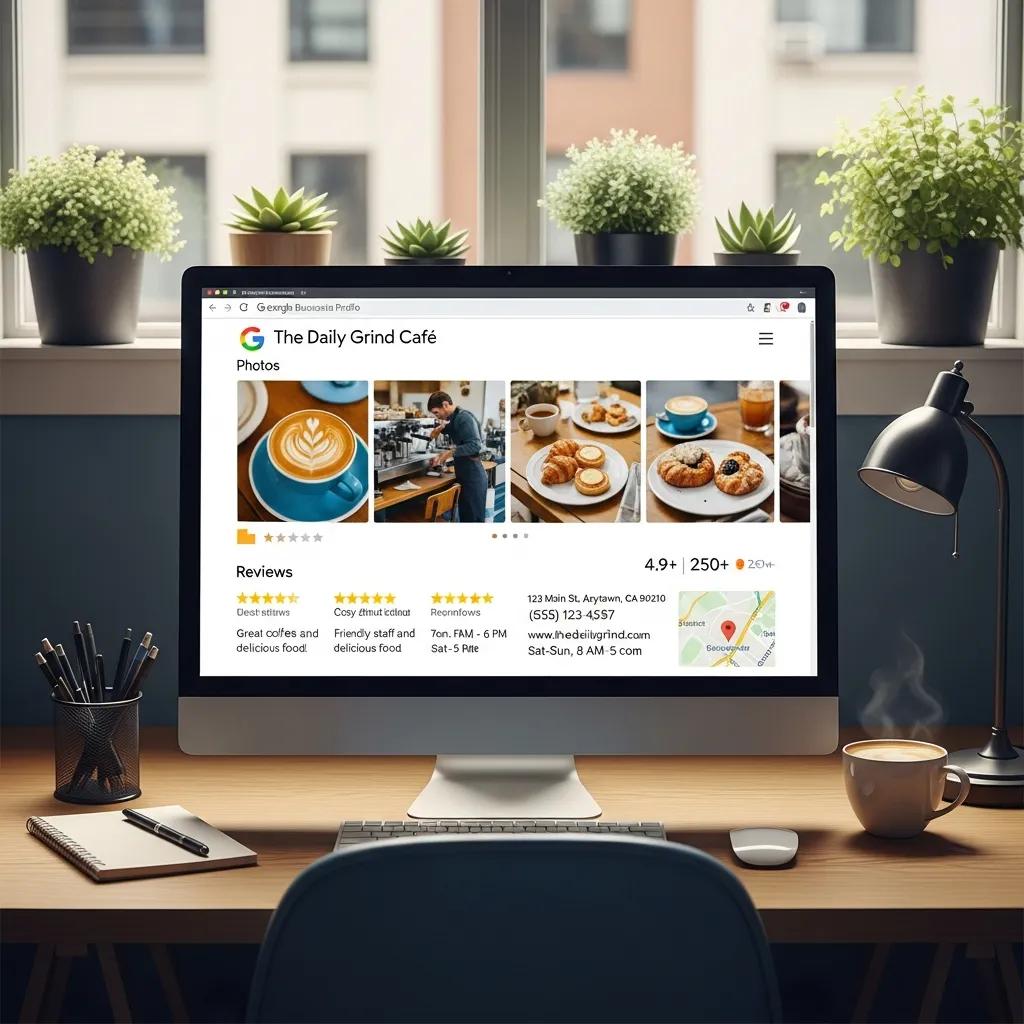
Your Google Business Profile (GBP) is one of the fastest ways to influence local visibility — a well maintained profile shows up in Maps and search results and drives clicks, calls and visits.
Multiple studies show that an accurate, active Google Business Profile has a big effect on local search performance and customer actions.
Google Business Profile’s Impact on Local Search Visibility & Business Success
This study examines how Google Business Profiles help local businesses be found online. It looks at how listing details — location, contact info, opening hours, website links, reviews and images — influence consumer choices and visibility on Google Maps and local search. The research highlights that keeping a profile active and up to date improves a business’s chances of being discovered.
A STUDY ON THE IMPACT OF GOOGLE BUSINESS PROFILE ON BUSINESS SUCCESS, B Sharma, 2025
What are the best practices for setting up and verifying your Google Business Profile?
- Complete your profile : Fill in your business name, address, phone number, website and services so customers and Google know exactly what you offer.
- Verify your business : Verify ownership with Google — verified profiles get better visibility and more trust.
- Keep NAP consistent : Use the same name, address and phone number across listings and your website to avoid confusing search engines.
These basics create a reliable foundation for stronger local search performance.
How do categories, photos, posts and Q&A improve your Google Business Profile?
- Categories : Choosing the right primary and secondary categories helps Google match your business to relevant searches.
- Photos : Clear, high‑quality images make listings more appealing and can increase clicks.
- Posts : Regular posts about offers and news keep your profile fresh and give searchers more reason to engage.
- Q&A : Proactively managing the Q&A lets you answer common questions and reduce friction for potential customers.
Together these elements make your GBP more useful to customers and more understandable to Google.
What on‑page and technical strategies improve local SEO performance?
On‑page content and technical SEO are both essential — they help Google understand your relevance to local queries and deliver a good experience to visitors.
How to conduct local keyword research and build location pages
- Use keyword tools : Tools like Google Keyword Planner, Moz or SEMrush reveal the terms local people actually search for.
- Create location pages : Build dedicated pages for each area you serve and optimise them with local terms and clear contact details.
- Add local content : Mention landmarks, neighbourhoods, events or case studies to make pages feel location‑specific and useful.
These steps help your site rank better for local searches and connect with nearby customers.
Why mobile optimisation and local schema markup matter
- Mobile-first reality : More than half of searches now happen on mobile — a fast, responsive site is essential for conversions and rankings.
- Value of schema : Local schema (structured data) helps search engines display your business details more accurately in results.
- Implementation tips : Use structured data for hours, address, services and reviews so search engines can read and show the right info.
Using Schema.org structured data is a proven way to give search engines clearer context about your business and improve how your listing appears.
Structured Data Markup: Enhancing SEO with Schema.org for Search Engines
Structured data markup is a recognised SEO technique that layers semantic information onto standard web pages. Its roots trace back to earlier XML and microformat approaches; Schema.org later unified popular vocabularies so search engines can better understand and present site content.
Streamlining structured data markup and agile modelling methods, AM Ghiran, 2017
Focusing on these technical areas will make your site more visible and user‑friendly for local searchers.
How do off‑page local SEO tactics build authority and improve rankings?
Off‑page tactics — citations, links and reputation signals — tell search engines your business is trustworthy in the local community.
What role do local citations and backlinks play in local SEO?
- What are local citations? : Mentions of your business on other sites and directories that help validate your presence and details.
- Authority impact : Quality backlinks and local mentions from reputable sites increase your business’s perceived authority.
- How to earn links : Partner with local organisations, sponsor events or share community stories to generate relevant backlinks.
These off‑site signals are important components of a rounded local SEO strategy.
How can managing online reviews lift your local reputation?
- Reviews shape reputation : Positive feedback heavily influences buying decisions and builds trust with new customers.
- Ask for reviews : Encourage satisfied customers to leave reviews and make the process straightforward.
- Respond to feedback : Replying to both praise and criticism shows you care and helps manage expectations.
Actively managing reviews helps your business build a stronger local profile and improve search visibility.
What advanced local SEO strategies and future trends should businesses watch?
The local search landscape is evolving — keeping up with trends helps you stay visible and competitive.
How is voice search optimisation changing local SEO?
- Voice search growth : More people use voice assistants and smart speakers to find nearby services.
- Optimise for natural queries : Focus on conversational phrases and question formats people speak, not just type.
- Business impact : Preparing for voice search gives you an edge when customers look for “near me” services by voice.
Adapting content for natural language and quick answers helps capture voice‑driven traffic.
What impact does AI have on local search and Google rankings?
- AI in ranking systemsstrong> : Google increasingly uses AI (BERT, MUM and similar tech) to interpret intent and surface more relevant local results.
- Adapting for AIstrong> : Focus on user experience and genuinely helpful content — AI rewards relevance and clarity.
- AI tools in practicestrong> : Use AI‑powered tools for keyword discovery, content optimisation and local insights to scale your efforts.
Embracing AI‑aware practices will help future‑proof your local SEO work.
| Local SEO Factor | Description | Importance Level |
|---|---|---|
| Relevance | How well search intent matches your services | High |
| Proximity | Distance between the searcher and your business | High |
| Prominence | Your online reputation and visibility | High |
| Strategy | Mechanism | Benefit |
|---|---|---|
| Google Business Profile optimisation | Improves how you appear in local search | Higher local rankings |
| Local keyword research | Targets searches tied to specific places | More relevant local traffic |
| Mobile optimisation | Enhances user experience on phones and tablets | Better engagement and conversions |
Local SEO is a practical, measurable part of your marketing toolkit that drives visibility, visits and customer engagement. By applying the core principles described here — plus ongoing optimisation and measurement — you can improve your Google rankings and attract more local customers. Keep tracking trends and adapting to new signals to stay competitive in local search.
Frequently asked questions
What common mistakes do businesses make with local SEO?
Common errors include inconsistent NAP (Name, Address, Phone) across listings, an incomplete or unverified Google Business Profile, ignoring review management, and targeting broad keywords instead of local terms. Failing to build local links or engage with the community also limits credibility in local search.
How can social media affect local SEO?
Social media raises local awareness and drives traffic to your site and Google Business Profile. Sharing local updates, promotions and events can encourage visits and interactions, which indirectly boost visibility. While social signals aren’t a direct ranking factor, they help by increasing brand recognition and site traffic.
What role does mobile optimisation play in local SEO?
Mobile optimisation is essential because many local searches happen on phones. A responsive, fast site with clear contact options and easy navigation improves user satisfaction and conversions. Google also prioritises mobile‑friendly pages, so mobile performance directly affects local search visibility.
How can businesses measure the success of local SEO?
Track KPIs like local search traffic, rankings for target local keywords, calls and direction requests from your Google Business Profile, and the volume and sentiment of reviews. Tools such as Google Analytics, Google Search Console and GBP Insights provide useful data to evaluate results and guide next steps.
Why are local backlinks important for local SEO?
Local backlinks signal to search engines that respected community sites reference your business, which increases authority and trust. Tactics like sponsoring events, partnering with local groups and creating locally relevant content help earn these valuable links.
How often should businesses update their Google Business Profile?
Update your Google Business Profile regularly: keep hours correct, add new photos, post about offers or events, and respond to reviews. Frequent, accurate updates show Google your business is active and engaged, which supports better local visibility.
Conclusion
Local SEO is a straightforward, high‑impact way for small businesses to improve online visibility and attract nearby customers. Start with a complete, verified Google Business Profile, consistent citations, local content and review management — then measure and refine. Small, steady improvements in these areas deliver more visibility, visits and sales over time. Begin optimising today to make the most of local search.