
City Page Dominance Strategy for Multi-Location Businesses
City Page Dominance Strategy for Multi-Location Businesses: How to Optimise Local Landing Pages for Maximum SEO Impact
In the highly competitive realm of local search engine optimization (SEO), the significance of effective city pages cannot be overstated. City pages serve as dedicated landing spots tailored for local markets, enabling businesses with multiple locations to reinforce their visibility in search results. This article will delve into the nuances of city page dominance, elucidating how a strategic approach can profoundly enhance local search visibility and contribute to overall SEO success. Businesses often grapple with maintaining relevance across diverse locations, yet through optimised local landing pages, they can address unique market needs and establish a robust digital presence.
The upcoming sections will explore essential aspects, beginning with the definition and importance of city pages, leading into strategies for creating and optimising local landing pages. Following this, we will examine effective multi-location SEO tactics, performance monitoring, and common challenges faced by businesses in this domain.
What are City Pages and Why Are They Crucial for Multi-Location SEO?

City pages are specific web pages designed to target local audiences in different geographic areas, each tailored to reflect the unique features and needs of that locality. These pages are vital for multi-location SEO as they help businesses connect with local customers by improving search visibility, increasing relevance, and facilitating engagement with specific communities. By effectively utilising city pages, businesses can provide tailored content that resonates with local searchers, making them more likely to consider their offerings.
How Do City Pages Improve Local Search Visibility?
City pages bolster local search visibility through enhanced relevance and targeted keyword optimisation. By creating tailored content that features specific local events, landmarks, and cultural references, businesses can better align with searches made by local consumers. Furthermore, including location-based keywords increases the chances of ranking higher in search results, capturing the attention of potential customers who are searching for products and services in their vicinity. For instance, a restaurant in different cities can highlight local ingredients or partnerships with nearby farms to create a strong local appeal.
What Role Do Consistent NAP and Structured Data Play in City Page Success?
Consistent Name, Address, and Phone Number (NAP) information is critical for local SEO success as it ensures that search engines can accurately associate the business with its physical locations. Discrepancies in NAP information across directories can confuse both users and search engines, adversely affecting rankings. Alongside NAP, implementing structured data using schema markup enhances the clarity of business information presented to search engines, improving indexing and enabling better display in search results. Adopting structured data formats specific to local businesses ensures that essential details such as reviews, operating hours, and service offerings are highlighted, attracting local search traffic.
How to Create and Optimise Local Landing Pages for Multiple Locations?
Creating optimised local landing pages involves a meticulous approach to ensure each page is distinct, relevant, and engaging. The foundation of a successful local landing page lies in its ability to cater to the needs of the respective community while also adhering to SEO best practices.
What Content Best Practices Ensure Unique and Relevant City Pages?
To ensure the uniqueness and relevance of city pages, it’s crucial to employ specific content strategies:
- Local Narratives: Incorporate local stories and references that resonate with the community.
- Tailored Offers: Highlight promotions or services that cater specifically to local preferences or seasonal needs.
- Visual Elements: Use photographs from the area or images showcasing community events to connect emotionally with the audience.
By focusing on these content practices, businesses can foster engagement and improve their relevancy in local searches.
Which Schema.org Markup Types Enhance LocalBusiness Entity Clarity?
Implementing the right types of schema markup is essential for enhancing the clarity of local business entities. Recommended Schema.org types for local businesses include:
- LocalBusiness: This type specifies critical business information and improves visibility in local search results.
- Place: Helps search engines understand the geographical context of the business.
- Review: Showcases customer feedback, thereby improving credibility and click-through rates.
Utilising these schema types appropriately can significantly boost how the business is represented in search engine results.
What Are Effective Multi-Location SEO Strategies to Boost City Page Rankings?
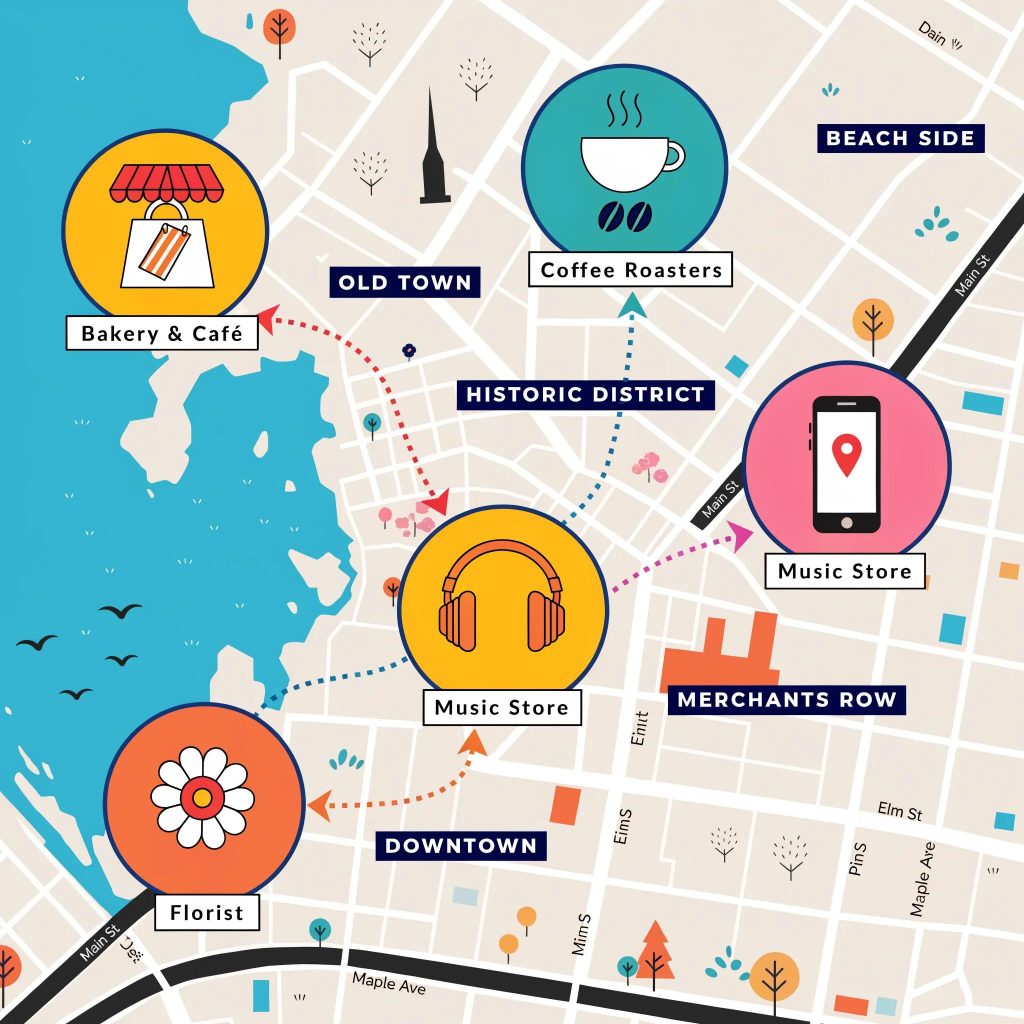
To bolster the rankings of city pages, businesses must deploy strategic multi-location SEO approaches tailored to their geographic diversity. These strategies are vital for achieving optimal visibility across various local markets.
How Can Google Business Profile Optimisation Help Manage Multiple Locations?
Optimising the Google Business Profile is essential for multi-location management. Key strategies include:
- Separate Listings: Ensure each location has its own Google Business listing, complete with accurate NAP information.
- Location-Specific Posts: Regularly update profiles with local events and promotions to enhance visibility.
- Engagement: Actively respond to reviews and questions from customers to build community trust.
By effectively managing Google Business Profiles, businesses can significantly enhance their presence in local search results.
Which Internal Linking Methods Improve Entity Relationships Across City Pages?
Effective internal linking is pivotal for improving the entity relationships and overall structure of city pages. Best practices involve:
- Contextual Links: Link related city pages within content to enhance navigation and user experience.
- Bread Crumbs: Implement breadcrumb navigation to clarify the site architecture for both users and search engines.
- Silo Structure: Organise content thematically to improve SEO and user engagement.
Using these internal linking methods fosters a more cohesive site structure, enhancing the overall SEO performance across multiple city pages.
How to Monitor and Measure City Page Performance Across Multiple Locations?
Monitoring and measuring the performance of city pages is crucial for assessing the effectiveness of SEO strategies. Businesses should employ analytics tools to track key performance indicators (KPIs) that reflect local SEO success.
What KPIs Reflect Local SEO Success for Multi-Location Businesses?
Essential KPIs for tracking local SEO success include:
- Organic Traffic: Measure the volume of visitors coming from organic search results to city pages.
- Keyword Rankings: Regularly track the rankings of location-specific keywords to gauge visibility.
- Conversion Rates: Analyse how many visitors take action, such as making inquiries or purchases.
Monitoring these KPIs allows businesses to adapt strategies to maintain or improve their local search performance.
Which Tools Provide Real-Time Insights on Local Rank and Entity Signals?
Utilising the right tools for tracking local SEO performance can enhance knowledge of ongoing efforts. Effective tools include:
- Google Analytics: Offers insights into traffic sources, user behaviour, and conversion tracking.
- Moz Local: Ensures NAP consistency across various listings and provides local search visibility metrics.
- Ahrefs: Facilitates keyword tracking and competitive research to refine SEO strategies.
Employing these tools enables businesses to adapt quickly to changes in local search landscapes and refine their SEO efforts accordingly.
How to Address Common Challenges in City Page SEO for Multi-Location Businesses?
Creating effective city pages is not without challenges. Businesses often encounter obstacles that can affect their SEO outcomes.
What Are Best Practices to Avoid Duplicate Content in Local Landing Pages?
To avoid duplicate content issues, businesses should:
- Unique Content Creation: Develop original content for each city page rather than reusing the same material.
- Canonical Tags: Implement canonical tags when similar content is necessary to avoid confusion for search engines.
- Dynamic Content: Use dynamic elements that pull in local information uniquely per page, such as local events or offers.
These practices contribute to enhancing SEO efforts while ensuring each city page plays a unique role in the overall strategy.
How to Adapt to Semantic Search and Evolving Local SEO Algorithms?
With search engines continuously adapting to provide more relevant results through semantic search, businesses must also evolve. Adaptation strategies could include:
- Content Localization: Focus on producing content that reflects local culture and trends to connect with audiences effectively.
- Voice Search Optimization: With the rise of voice searches, optimising for conversational keywords becomes more crucial.
- Regular Updates: Continuously update content to align with changes in local interests and search engine algorithms.
Adapting to these dynamic changes in local SEO processes is key for sustained success in digital marketing efforts.