Understanding SEO: Key Components
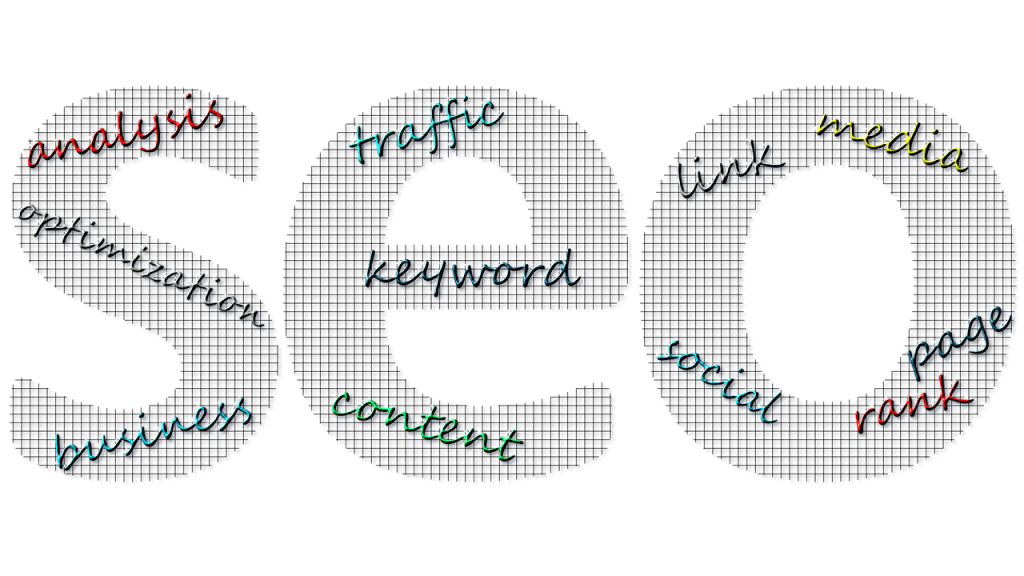
Search Engine Optimization (SEO) encompasses various strategies aimed at enhancing a website's visibility on search engines. The key components of SEO include technical SEO, on-page SEO, off-page SEO, and local SEO, each playing a crucial role in improving rankings and driving organic traffic.
For instance, technical SEO focuses on optimizing the infrastructure of a website, ensuring that search engines can crawl and index it effectively. On-page SEO involves optimizing content and HTML source code, while off-page SEO refers to actions taken outside the website, like link-building. Local SEO is vital for businesses targeting local customers, helping them appear in local search results and Google Maps.
Benefits of Local SEO for Small Businesses
Local SEO is essential for small businesses looking to attract customers in their geographical area. By optimizing for local search, businesses can improve their visibility in local search results, making it easier for potential customers to find them when searching for relevant services.
For example, a local bakery can benefit from appearing in search results when users search for "bakeries near me." This targeted approach not only drives foot traffic but also enhances online visibility through Google My Business listings and local citations, ultimately leading to increased sales and brand recognition.
Website Design Best Practices for Digital Marketing
Effective website design is crucial for digital marketing success, as it impacts user experience and conversion rates. A well-designed website should be visually appealing, easy to navigate, and optimized for mobile devices to cater to the growing number of mobile users.
Incorporating elements such as clear calls-to-action, fast loading times, and responsive design can significantly enhance user engagement. Additionally, integrating SEO best practices into the website design process ensures that the site is not only attractive but also ranks well in search engines, driving organic traffic and leads.
Measuring the Success of Your SEO Strategy
Evaluating the effectiveness of an SEO strategy is essential for continuous improvement and achieving business goals. Key performance indicators (KPIs) such as organic traffic, keyword rankings, and conversion rates provide valuable insights into the success of your SEO efforts.
Utilizing tools like Google Analytics and Search Console can help track these metrics, allowing businesses to identify areas for improvement. Regular analysis of these data points enables businesses to adjust their strategies, ensuring they remain competitive in the ever-evolving digital landscape.