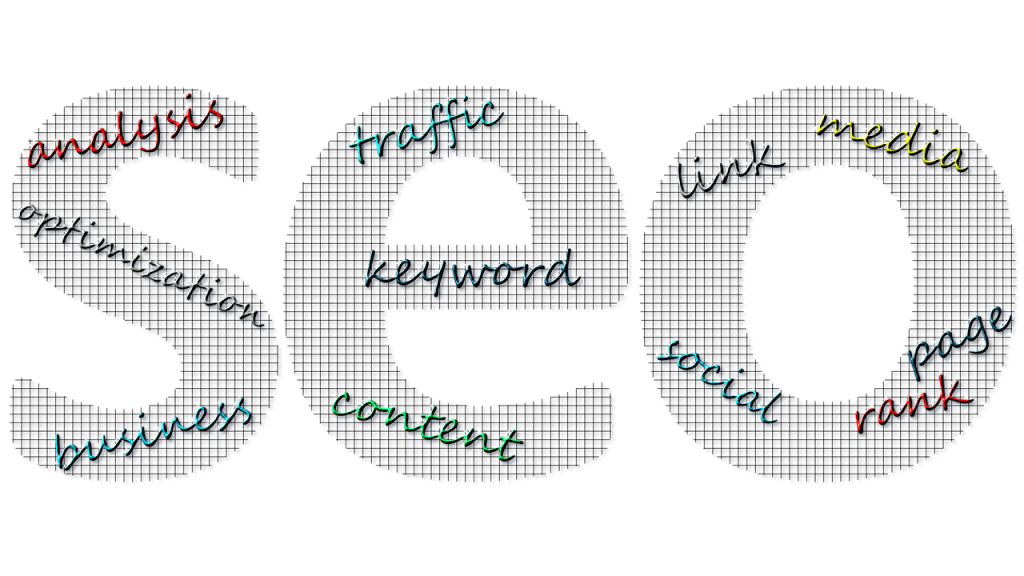
The Importance of SEO for Businesses
Search Engine Optimization (SEO) is crucial for businesses looking to enhance their online visibility and attract more customers. By optimizing their websites for search engines, companies can improve their rankings on search results pages, making it easier for potential clients to find them.
For instance, businesses that invest in SEO often see an increase in organic traffic, which can lead to higher conversion rates. According to studies, over 70% of users tend to click on one of the top five suggestions in the search results, highlighting the importance of being visible in search queries.
Key Components of a Successful SEO Strategy
A successful SEO strategy encompasses several key components, including keyword research, on-page optimization, technical SEO, and link building. Each of these elements plays a vital role in improving a website’s search engine ranking and overall performance.
For example, effective keyword research helps identify the terms and phrases potential customers are using to search for services. On-page optimization ensures that content is relevant and structured correctly, while technical SEO addresses backend issues that might hinder performance, such as site speed and mobile-friendliness.
Local SEO: Why It Matters for York Businesses
Local SEO is particularly important for businesses operating in specific geographic areas, such as York. By optimizing for local search terms, businesses can attract customers in their vicinity, increasing foot traffic and local engagement.
For instance, a local bakery in York that optimizes its website for “best pastries in York” will likely attract more local customers searching for nearby options. Utilizing Google My Business and local citations can further enhance visibility in local searches.
Measuring SEO Success: Key Metrics to Track
To determine the effectiveness of an SEO strategy, businesses must track key performance metrics. These metrics include organic traffic, keyword rankings, bounce rates, and conversion rates, which provide insights into how well the SEO efforts are performing.
For example, an increase in organic traffic indicates that the website is attracting more visitors from search engines, while a high conversion rate suggests that the site is effectively engaging users. Tools like Google Analytics and SEMrush can be instrumental in monitoring these metrics and making data-driven decisions for continuous improvement.