
Key Factors That Shape Your Local Search Ranking: Practical Local SEO Guidance for Business Owners
Digital marketing keeps evolving, and for local businesses that means understanding what drives local search visibility. This guide breaks down the core local search ranking factors for 2024 and gives clear, practical steps you can use to improve your presence online. Local search ranking factors matter most for small and medium-sized businesses aiming to bring in nearby customers. We’ll cover the essentials — from Google Business Profile optimisation and review management to citation consistency and local link-building — with advice you can apply right away.
What Are the Core Factors Driving Local Search Rankings in 2024?
A few consistent signals determine where a business appears in local search. To strengthen your local SEO, focus on three main areas: relevance (how well you match search intent), proximity (how near you are to searchers) and prominence (how recognised and trusted you are online). These elements together shape local visibility and should guide your optimisation priorities.
How Do Relevance, Proximity, and Prominence Impact Local SEO?
Relevance is about matching your services and content to what people are searching for — the right keywords, categories and descriptions. Proximity is straightforward: distance matters in local queries, so location data should be accurate and visible. Prominence covers reputation and authority, driven by reviews, backlinks and your wider web presence. Tackle each area to improve how search engines rank you locally.
Why Is Google Business Profile Optimisation Crucial for Local Visibility?
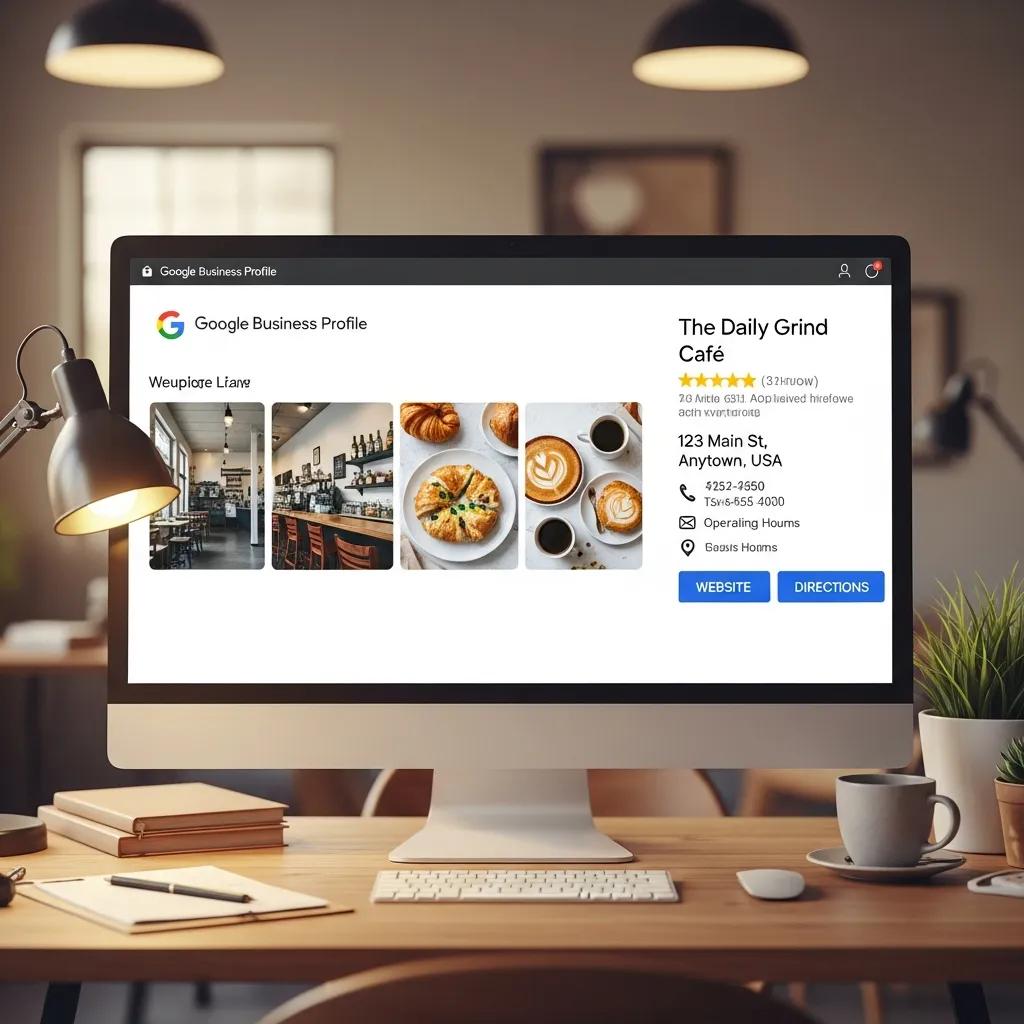
Your Google Business Profile (GBP) is often the first place customers find you. A well-maintained profile helps you appear in Maps and the Local Pack, and it makes it easy for customers to contact you or visit. Key elements to keep current are your business details, high-quality images and regular posts — all of which help both users and Google see your business as active and relevant.
Research consistently shows local optimisation — especially for retailers — increases organic traffic and improves placement in Google’s Local Pack.
Local SEO Strategies for Retailers: Google & Local Pack Optimisation
This research highlights why local optimisation matters for retailers: properly structured business data and targeted local signals help stores rank better, draw more organic visits and convert shoppers. The paper offers practical recommendations and a data‑driven example (a Ukrainian retailer) that illustrates how local micro‑marking and profile optimisation can secure a stronger position in the Local Pack versus competitors.
Business optimisation in the digital age: Insights and recommendations, A Natorina, 2020
How Can You Optimise Your Google Business Profile for Maximum Local Search Impact?
To get the most from your Google Business Profile, follow a few straightforward best practices. Keep information accurate, use photos that reflect your business, choose precise categories and add timely posts — these steps improve discovery and encourage customer actions.
In short: an active, comprehensive GBP is foundational for local search visibility and for connecting with potential customers.
Google Business Profile: Key to Local Search Visibility & Success
This study examines how businesses increase visibility through Google Business Profiles. It shows that clear location details, contact information, opening hours, website links, images and reviews influence customer decisions and improve visibility on Google Maps and local search. The evidence points to the importance of an active, regularly updated profile for local success.
A STUDY ON THE IMPACT OF GOOGLE BUSINESS PROFILE ON BUSINESS SUCCESS, B Sharma, 2025
What Are the Best Practices for GBP Categories, Photos, and Posts?
Pick categories that precisely describe your core services so Google matches you to the right searches. Use clean, well-lit photos that show your premises, team and products. Post updates about offers, events or practical information — regular activity keeps your profile current and gives customers reasons to engage.
How Does Regular Review Management Enhance Your GBP Performance?
Responding to reviews — positive and negative — shows you listen and care. Encourage recent feedback from satisfied customers, reply promptly and professionally, and use reviews to spot service improvements. A steady stream of recent, positive reviews strengthens your prominence and can help lift local rankings.
Why Are Online Reviews and Reputation Management Vital for Local SEO Success?
Reviews are a major trust signal for both search engines and customers. Good reviews build credibility, influence click‑throughs and help convert searches into visits or calls. Managing your reputation proactively is therefore a key part of any local SEO plan.
How to Effectively Solicit and Respond to Customer Reviews?
Make it easy for customers to leave feedback: send follow-up emails with direct links, ask at the point of sale or include review prompts on receipts. When you receive reviews, thank customers for positive comments and address negative feedback constructively — that approach improves perception and encourages more reviews over time.
What Role Does Review Quantity, Recency, and Sentiment Play in Rankings?
Search engines value recent, authentic engagement. A higher number of recent positive reviews signals activity and trust; sentiment influences click behaviour and conversions. Focus on steady, genuine review growth rather than short-term spikes.
What Is the Importance of Local Citations and NAP Consistency in Local Search?
Local citations — mentions of your Name, Address and Phone number (NAP) across the web — help search engines verify your business and trust your listings. Consistent NAP data reduces confusion and supports better local visibility.
How to Conduct a NAP Audit and Maintain Citation Accuracy?
A NAP audit checks your business details across directories and platforms. Use tools like Moz Local or Yext to find and fix discrepancies, update listings after changes and routinely recheck your citation profile to keep it accurate.
Which UK Local Directories and Data Aggregators Should You Target?
Prioritise well-known UK directories and aggregators such as Yell, Thomson Local and Yelp, along with national data hubs. Consistent listings on reputable sites improve visibility and lend credibility to your business in search results.
How Does Local Link Building Enhance Your Website Authority and Local SEO?

Local backlinks signal to search engines that your business is trusted within the community. Building links from local partners, charities, events and media helps raise your website’s authority and supports better local rankings.
What Are Effective Strategies for Acquiring High-Quality Local Backlinks?
Work with nearby businesses on collaborative content, sponsor community events or support local charities — these activities create natural opportunities for local sites to link to you. Aim for relevance and value rather than volume when pursuing local links.
How Do Local Sponsorships and Community Engagement Boost Link Profiles?
Sponsorships and visible community involvement generate media attention and listings on event pages or local news sites — authentic placements that strengthen your link profile and local credibility.
Which On-Page and Technical SEO Elements Influence Local Search Visibility?
On-page and technical SEO ensure your website is easy for users and search engines to use. Clean structure, localised content and correct technical signals make it more likely you’ll appear for relevant local queries.
How to Optimise Website Content with Local Keywords and Schema Markup?
Use local keywords naturally in page titles, headings and content that answer common local questions. Add schema (localBusiness, openingHours, geo coordinates) so search engines better understand your offering and can show rich results.
Why Are Mobile-Friendliness and Page Speed Critical for Local SEO?
Many local searches happen on mobile devices — fast, responsive pages reduce friction and lower bounce rates. Improving page speed and mobile usability directly enhances user experience and supports better local performance.
Knowing the likely investment for meaningful digital marketing helps you plan. If you want to compare costs, review different SEO pricing options to match your goals and budget.
Each local SEO tactic delivers value in a specific way; understanding those mechanisms helps you prioritise work that will move the needle.
| Strategy | Mechanism | Benefit | Impact Level |
|---|---|---|---|
| Google Business Profile Optimisation | Enhances visibility in local search | Increased customer engagement | High |
| Review Management | Builds trust and credibility | Improved local rankings | High |
| Local Link Building | Signals authority to search engines | Enhanced local visibility | Medium |
This comparison highlights how different local SEO strategies work and where you can expect the biggest returns for your effort.
Frequently Asked Questions
What is the significance of local SEO for small businesses?
Local SEO helps small businesses appear in front of nearby customers who are actively searching. By focusing on local visibility — through GBP, reviews and accurate listings — smaller companies can compete more effectively, drive footfall and convert nearby searches into real customers.
How often should I update my Google Business Profile?
Update your Google Business Profile at least monthly, and immediately after any changes to hours, services or contact details. Regular posts and fresh photos are good practice — they show activity and help keep your listing relevant.
What are the best ways to encourage customers to leave reviews?
Ask at the point of service, follow up by email with a direct review link, and make leaving feedback straightforward. You can also highlight positive reviews on your site to encourage others. Avoid buying reviews or using deceptive tactics — genuine feedback is what helps most.
How can I measure the effectiveness of my local SEO efforts?
Track local traffic, calls and map views alongside rankings for local queries. Use tools like Google Analytics, Google Search Console and GBP Insights to monitor user behaviour and conversions, then adjust tactics based on what’s driving real results.
What role does social media play in local SEO?
Social media boosts local visibility by increasing brand awareness and driving traffic to your website and GBP. Share local stories, promotions and community involvement to encourage engagement and user-generated content that supports your local profile.
Are there any tools to help with local SEO management?
Yes — tools such as Moz Local and Yext simplify citation management and NAP consistency. GBP Insights shows how people interact with your profile, while SEMrush and Ahrefs help track keywords and backlinks. Pick tools that fit your scale and needs.
Conclusion
Local SEO is a practical, ongoing investment: optimise your Google Business Profile, manage reviews, keep citations consistent and build local connections to strengthen your presence. These steps increase visibility, build trust and help attract more local customers. Start with the basics today and iterate as you see results.