
When You’ll Start Seeing Local SEO Results: A Practical Timeline
Local SEO helps nearby customers find your business online. It’s about making sure your website and listings turn up for searches that matter to your area — so you get more phone calls, bookings and footfall. This guide lays out what you can realistically expect, why timelines vary, and practical ways to speed up results . Many business owners ask the same question: how long until the work pays off? Read on for a clear progression of local SEO activity, the milestones to watch for, and how to measure progress without guessing.
Research regularly shows that well-planned local SEO and multimedia content meaningfully improve a site’s visibility — and that a rounded approach works best.
Research: Local SEO Improves Visibility
Studies examine how local SEO and multimedia content increase visibility for developer and retailer websites. They underline that a comprehensive local optimisation strategy—covering listings, content and technical signals—delivers the best outcomes.
SEO strategies development for development projects effective promotion, 2024
How quickly can you expect to see local SEO results?
How fast you see change depends on several things: how competitive your sector is, how healthy your site already is, and which tactics you deploy. In many cases you’ll notice early improvements in 1–3 months, while more substantial gains typically take longer as efforts compound.
What is MW Digital Yorkshire’s 30‑day speed ranking promise?
Our 30‑day speed ranking promise is designed to produce visible improvements in the first month. We concentrate on quick wins—Google Business Profile optimisation, targeted local content and priority on-page fixes—so you begin to see increased local visibility and engagement within weeks. Those early lifts also help drive more traffic and enquiries while longer-term efforts continue to build.
Other research supports the idea that targeted local optimisation can increase organic traffic and improve placement in the Local Pack, especially for retail businesses.
Local SEO for Retail: Organic Traffic and Local Pack Gains
The research aims to show how local optimisation for retailers boosts organic traffic and improves Local Pack placement. It offers practical recommendations for retailers on optimising Google listings and structured data to gain an edge over competitors and lift conversions.
Business optimization in the digital age: Insights and recommendations, A Natorina, 2020
How does local SEO usually progress over months 3–6?
In months three to six you typically move from setup and quick wins into steady growth. Early fixes start to settle and ongoing work—content, listings and link-building—begins to drive more consistent visibility.
- Months 1–3 : Create and optimise your Google Business Profile so it’s accurate and discoverable. Complete initial keyword research and make focused on-page SEO improvements. See the first signs of increased clicks, calls or visits.
- Months 3–6 : Keep refining local content and building relevant backlinks. Expect clearer improvements in local search visibility. Start receiving more customer enquiries and, in many cases, increased foot traffic.
The overarching lesson: consistency matters. Short-term gains help, but steady work delivers the lasting results.
What affects your local SEO timeline?
Several practical factors shape how quickly you’ll move up the ranks. Understanding these helps you set priorities and avoid wasted effort.
- Competition level : If your market is crowded, it will naturally take more time and resource to stand out. Niche or under-served areas move faster.
- Website authority and health : A technically sound site with good content and domain authority responds faster to optimisation. Regular updates and a solid user experience matter.
- Google Business Profile optimisation : A well-filled, actively managed profile often delivers quicker visibility in local results — accurate details, photos and timely posts all help.
How does Google Business Profile optimisation change the timeline?
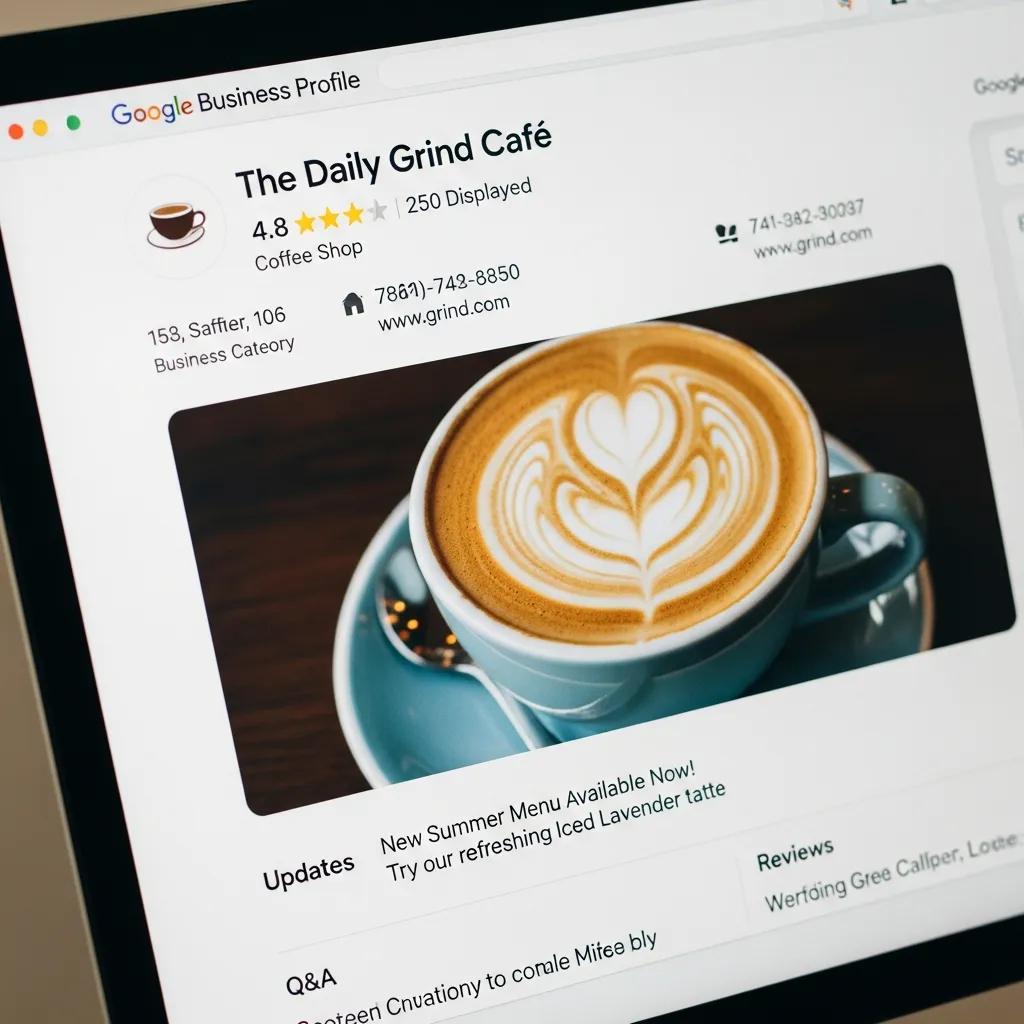
Google Business Profile is central to local SEO. When your profile is complete and regularly updated it surfaces more often in local searches. Key elements to get right include:
- Accurate business information : Keep your name, address and phone number (NAP) consistent across sites.
- Engaging visuals : Clear, high-quality photos increase clicks and trust.
- Regular updates : Posting offers, events and responding to reviews keeps your listing active and can improve visibility.
Why do backlinks, citations and reviews speed up results?

Backlinks, citations and customer reviews build trust signals for search engines and users. Together they raise your authority and help listings appear sooner and more often.
- Backlinks : Good links from relevant, reputable sites tell search engines your site is trustworthy.
- Citations : Consistent directory listings strengthen your local presence and reduce confusion for customers and algorithms.
- Customer reviews : Positive reviews boost visibility and influence potential customers — and responding to reviews shows active engagement.
Month-by-month milestones: what to track
Breaking the work into monthly milestones makes progress visible and manageable. Below is a practical six‑month view.
Months 1 to 3: foundational work
The first three months are about laying the groundwork. Key activities typically include:
- Conducting an SEO audit : Map out where you are now and identify quick technical and content fixes.
- Optimising your Google Business Profile : Make sure details are correct, add images and set expectations.
- Building local citations : Add your business to relevant directories to improve visibility.
These steps usually produce the first measurable lifts in search visibility and traffic.
Months 3 to 6: compounding improvements
As the foundation settles, ongoing work pays off in clearer results. Typical signs of progress include:
- Increased rankings : You should see improved positions for targeted local keywords.
- Higher traffic : More local visitors finding your site or listing.
- Greater customer engagement : More calls, enquiries or visits as visibility improves.
Those results reflect steady, cumulative effort across listings, content and off-site signals.
How to speed up your local SEO progress
Local SEO compounds: small, smart actions accelerate outcomes. Some advanced techniques produce faster, more reliable lifts when applied correctly.
Advanced tips to boost Google Business Profile performance
To get more from your Google Business Profile, try these proven tactics:
- Use Posts : Share offers, events and short updates to stay visible and relevant.
- Encourage reviews : Ask satisfied customers to review you — it’s one of the strongest local signals.
- Monitor insights : Use profile analytics to see what’s driving searches and adjust your priorities.
These moves keep your profile active and aligned with what local searchers are looking for.
How hyper-local content and citation building speed rankings
Two practical levers for faster growth are hyper-local content and consistent citations:
- Hyper-local content : Create pages or posts tailored to neighbourhoods, local events or community needs to signal relevance for nearby searches.
- Citation building : Regular, accurate listings across trusted directories reduce friction and reinforce local authority.
Focused content plus reliable citations often produce quicker, sustainable improvements.
How to measure and track local SEO over time
Measurement keeps you honest. Track a small set of KPIs that reflect both visibility and business impact.
Key performance indicators to watch
These metrics give a balanced view of performance:
- Website traffic : Monitor visits from local search and referral sources.
- Conversion rates : Track actions that matter — calls, bookings or purchases.
- Search rankings : Check positions for your priority local keywords and map pack presence.
Regularly reviewing these metrics helps you refine tactics and prove ROI.
Academic and industry research both stress the importance of tracking KPIs and using data to optimise local marketing performance.
Measuring Local Marketing: KPIs, ROI and Continuous Optimisation
This paper discusses why tracking local campaigns matters and which metrics provide meaningful insight — from reach and engagement to conversion rates and customer acquisition cost. It reviews the tools available (analytics, CRM, location services) and highlights challenges such as attribution and data integration, arguing that a data-driven approach and continual optimisation are essential for strong local performance.
TRACKING LOCAL MARKETING CAMPAIGNS: MEASURING EFFECTIVENESS AND OPTIMIZING PERFORMANCE, 2025
How do client case studies set realistic expectations?
Real client examples show how different strategies and sectors influence timing. Case studies help you compare similar businesses and understand what steady progress looks like.
- Case study examples : See how specific businesses improved their local rankings and which tactics moved the needle.
- Timeline of results : Review the documented progression so you know what to expect when you start your own campaign.
Case studies are useful reference points when planning your own timeline and investment.
Common questions about local SEO timelines
Below are answers to the questions we hear most from local businesses planning SEO work.
How long does local SEO take for small businesses?
For many small businesses, noticeable results appear between three and six months. That window depends on competition, the current health of your site and how consistently you implement recommended actions.
Is local SEO worth the investment given the timeline?
Investing in local SEO typically pays off over time. While there’s an initial waiting period, consistent optimisation often leads to higher visibility, increased enquiries and more revenue — making the long-term return attractive for businesses ready to commit.
Frequently asked questions
What are the most effective local SEO strategies for small businesses?
Small businesses get the best results by focusing on a few high‑impact actions: fully optimise your Google Business Profile, keep NAP (Name, Address, Phone Number) consistent, create locally relevant content and build trustworthy local citations and backlinks. Actively managing reviews and engaging on local channels also helps drive awareness and conversions.
How can I improve my Google Business Profile for better local SEO results?
Make sure every field is correct and complete, add clear photos, and post short updates about offers or events. Ask happy customers for reviews and reply to feedback promptly. Finally, check the profile insights to see which updates get the best response and focus on those.
What role do customer reviews play in local SEO success?
Reviews are one of the strongest trust signals for both users and search engines. Positive reviews improve visibility and influence decisions, while prompt, thoughtful replies show engagement and build reputation. Encouraging honest reviews from satisfied customers is a simple, high-value tactic.
How can I track the effectiveness of my local SEO efforts?
Track a concise set of KPIs: local website traffic, conversion rates (calls, bookings, purchases) and search rankings for priority keywords. Use Google Analytics, Search Console and Google Business Profile insights, and combine that with CRM or booking data to measure real business impact.
What are some common mistakes to avoid in local SEO?
Avoid these frequent errors: leaving your Google Business Profile incomplete, having inconsistent NAP across sites, ignoring customer reviews, and missing mobile optimisation. Also, don’t overlook local content opportunities — they’re often low-effort, high-reward.
How does local SEO differ from traditional SEO?
Local SEO specifically targets location-based searches and local intent. While traditional SEO focuses on broader, sometimes national queries, local SEO centres on Google Business Profile optimisation, local citations, hyper-local content and local backlinks — all aimed at connecting you with nearby customers.
Conclusion
Local SEO is a medium-term strategy that rewards consistency. With focused setup and ongoing attention to your Google Business Profile, citations, content and backlinks, you can expect measurable improvements — often within three to six months. Start with the fundamentals, measure the right KPIs, and build from early wins into sustainable local growth.