
Local SEO vs. Traditional SEO UK: How to Tailor Your Strategy for Maximum Business Impact
The online world makes choosing the right SEO approach more important than ever. This guide breaks down the practical differences between Local SEO and Traditional (national) SEO and shows how to pick—or combine—them for the best business results. Local SEO is about being found by customers nearby; Traditional SEO targets a wider, national or global audience. Knowing which path fits your goals helps you spend time and budget where it counts. Below we cover clear definitions, the main differences, and when to use each tactic, with practical insight from MW Digital Yorkshire — a UK digital marketing agency that specialises in SEO services for SMEs and local operators.
What is Local SEO and Why Does It Matter for UK Businesses?
Local SEO focuses on making a business easy to find for people searching nearby. It’s essential for companies with a physical presence or local service area because it improves visibility in search results like Google Maps and the Local Pack. Better local visibility typically leads to more calls, visits and bookings — in short, more customers through the door and stronger local engagement.
How Does Google Business Profile Enhance Local SEO Performance?
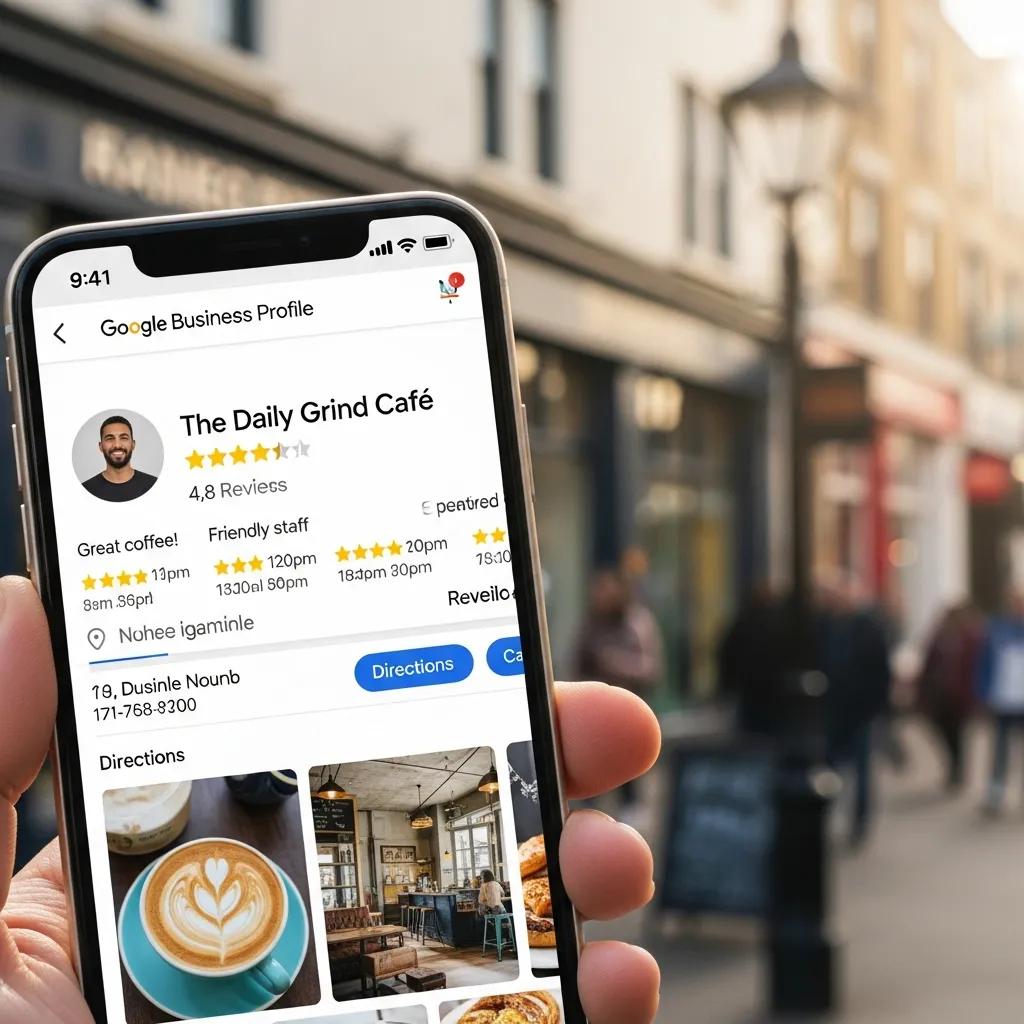
Google Business Profile (formerly Google My Business) is the single most important free tool for local search. A well-managed listing puts essential details — address, phone, opening hours and photos — front and centre for customers. Core GBP features that drive local performance include:
- Customer Reviews : Positive reviews boost trust and increase the chance of appearing in local search features.
- Photos and Posts : Regular, relevant images and updates help listings stand out and encourage clicks.
- Insights : GBP analytics reveal how customers discover and interact with your listing, informing smarter decisions.
Taken together, these elements make Google Business Profile a must-have for any local marketing plan.
To underline this, recent research shows that an optimised Google Business Profile directly improves how local customers find and choose businesses in search results.
Google Business Profile’s Impact on Local Search & Business Growth
This study examines how using Google Business Profiles helps businesses appear in local search results and attract customers. Many people check online before visiting a shop or booking a service, so an up-to-date profile — including location, contact details, opening hours, website link, reviews and images — plays a key role in consumer decisions. The research also looks at how active, accurate profiles improve visibility on Google Maps and in local searches.
A STUDY ON THE IMPACT OF GOOGLE BUSINESS PROFILE ON BUSINESS SUCCESS, B Sharma, 2025
What Defines Traditional SEO and Its Role for National Brands?

Traditional SEO covers the tactics used to improve a website’s visibility across a wider area — often nationally or globally. It leans on keyword research, content that answers user intent, and a healthy backlink profile to build authority. For brands selling across regions, traditional SEO is the route to broader awareness, more organic traffic and sustained growth.
Which Keyword and Content Strategies Drive Traditional SEO Success?
Successful national SEO is built on a few reliable practices. The essentials are:
- Comprehensive Keyword Research : Find the high-value terms your audience uses and map them to the right pages.
- Quality Content Creation : Helpful, well-structured content keeps visitors engaged and signals relevance to search engines.
- Link Building : Earning links from trustworthy sites strengthens domain authority and search rankings.
When combined consistently, these tactics help national brands increase visibility and reach larger audiences.
In short, ongoing work on keywords, content and links is fundamental to winning and keeping strong search rankings.
Essential SEO Techniques for Website Ranking & Business Visibility
The internet is central to modern business promotion, but a website alone won’t attract visitors unless it ranks well. SEO techniques — including keyword research, content optimisation and link building — are proven ways to raise a site’s position in search results. Importantly, SEO is an ongoing process that needs regular attention to maintain rankings and support business growth.
Apply the search engine optimization (seo) method to determine website ranking on search engines, N Khofifah, 2023
What Are the Key Differences Between Local and National SEO Strategies?
Knowing the main contrasts between local and national SEO helps you choose the right tactics for your business objectives.
| Strategy Type | Focus Area | Target Audience | Key Techniques |
|---|---|---|---|
| Local SEO | Geographic area | Local customers | Google Business Profile, local citations, localized content |
| National SEO | Nationwide/global | Broader audience | Keyword optimisation, content marketing, link building |
Local SEO is about geographic relevance; national SEO is about scale and reach. That difference drives your keyword choices, content focus and the optimisation tactics you prioritise.
How Do Target Audiences and Geographic Focus Vary?
The audience and geographic scope are the biggest practical differences. Local SEO targets people within a town, city or service area — ideal for shops, restaurants and trades. National SEO targets a wider customer pool, suitable for e-commerce, SaaS or brands selling across the country.
Choose based on who buys your product and where they are: a neighbourhood bakery benefits from local visibility, while an online retailer will gain more from national search coverage.
When Should Businesses Use Local SEO, Traditional SEO, or a Blended Approach?
Your business model, audience and goals determine the best strategy. Here’s a simple guide:
- Local SEO : Most effective for businesses serving a defined local area — cafés, shops, trades and local services.
- Traditional SEO : Best for brands aiming to reach customers nationwide or scale beyond a single region.
- Blended Approach : A mix works well if you serve local customers and also sell more widely — think multi-location businesses or online sellers with local pickup.
Which Business Types Benefit Most from Local SEO?
Local SEO delivers strong returns for several common business types:
- Restaurants and Cafés : Bring in nearby diners with optimised listings and good reviews.
- Retail Stores : Increase footfall by appearing in local searches and maps.
- Service Providers : Plumbers, electricians and landscapers rely on local customers and local visibility.
When local customers drive your revenue, investing in Local SEO makes it easier for them to find and choose you.
How Does MW Digital Yorkshire Tailor SEO Strategies for Maximum Impact?
MW Digital Yorkshire builds SEO plans around each client’s goals and service area. Our approach focuses on measurable improvements — what we call “speed rankings” — designed to increase visibility within 30–60 days. That focus is especially useful for businesses that want to dominate a local service area and win a place in the Google 3‑pack.
What Are the Benefits of MW Digital Yorkshire’s 30-Day Ranking Method?
MW Digital Yorkshire’s 30-day ranking method delivers practical benefits:
- Rapid Visibility : See ranking improvements within weeks, which can drive immediate customer traffic.
- Targeted Strategies : Tactics are chosen to match the unique needs and geography of each business.
- Expert Guidance : Ongoing support helps you make the most of early gains and build long-term momentum.
The method aims to produce quick wins while laying a foundation for sustainable SEO performance.
What Are the Latest Trends and Ranking Factors in Local and Traditional SEO for 2026?
SEO keeps changing. Key trends shaping rankings in 2026 include:
- AI and Machine Learning : Algorithms are increasingly driven by AI, so relevance and user intent matter more than ever.
- Voice Search Optimisation : With more voice searches, content needs to reflect natural language queries.
- Mobile-First Indexing : Mobile performance and usability are essential for ranking and user experience.
How Does AI Search Influence SEO Strategies?
AI-driven search means search results are more personalised and intent-focused. To stay competitive, businesses should prioritise high-quality content that clearly answers user questions, optimise for conversational queries and use AI tools to enhance keyword research and content planning. The aim is to match intent, not just keywords.
Frequently Asked Questions
What are the main benefits of using Local SEO for small businesses?
Local SEO increases your visibility where local customers search, which usually results in more calls, visits and purchases. It helps you build trust in the community through reviews and accurate listings. By keeping your Google Business Profile updated and encouraging happy customers to leave feedback, small businesses can boost credibility and local brand recognition.
How can businesses measure the success of their Local SEO efforts?
Track metrics such as local search rankings, website traffic from location-based queries, calls and direction requests from your Google Business Profile. Use tools like Google Analytics and Search Console for deeper insights into behaviour, and monitor review volume and sentiment to assess local reputation. Regular reporting helps you refine tactics and improve results.
What role do online reviews play in Local SEO?
Reviews are a major ranking and trust signal for local search. Positive reviews increase visibility and the likelihood of appearing in the Local Pack, while the quantity and quality of reviews influence consumer choice. Encourage reviews from satisfied customers and respond to feedback promptly to build credibility and improve performance.
Can businesses use both Local and Traditional SEO simultaneously?
Yes — many businesses benefit from a blended strategy. A physical shop can optimise locally to attract nearby customers and also run national SEO campaigns to capture broader demand. Combining both approaches lets you cover immediate local opportunities while building longer-term organic reach.
What are some common mistakes to avoid in Local SEO?
Avoid leaving your Google Business Profile incomplete or out of date, and don’t let NAP (Name, Address, Phone) details vary across directories. Failing to ask for reviews, overlooking local keywords and ignoring community engagement will also limit results. Keep information consistent and actively manage your local presence.
How often should businesses update their Local SEO strategies?
Review your Local SEO at least quarterly — update opening hours, services and photos, monitor review activity and track local search trends. Regular checks let you adapt to changing demand and keep your listings accurate and competitive.
Conclusion
Choosing between Local and Traditional SEO comes down to where your customers are and how you want to grow. Use Local SEO to capture nearby demand and Traditional SEO to scale across regions — or combine both when your business serves multiple audiences. With the right strategy and consistent execution, you’ll see measurable improvements in visibility, traffic and customer engagement. If you want help building a plan that fits your goals, our team at MW Digital Yorkshire can advise on the best approach for your business.