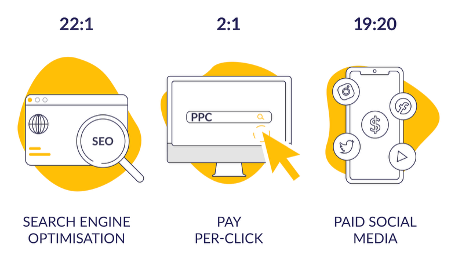

SEO is crucial for small businesses as it enhances their visibility in search engine results, driving organic traffic to their websites. By optimizing their online presence, small businesses can compete with larger entities, making it easier for potential customers to find them.
For instance, a local bakery that implements SEO strategies can appear in search results when users look for "best bakery near me." This targeted visibility leads to increased foot traffic and higher sales, demonstrating how effective SEO can directly impact a small business's bottom line.
Local SEO involves optimizing a website to attract more business from relevant local searches. This includes tactics such as creating location-specific content, managing local listings, and gathering customer reviews, all of which enhance a business's visibility in local search results.
For example, a dental clinic in York can optimize its website with keywords like "York dental services" and ensure its Google My Business listing is complete and accurate, which helps it appear in local searches and attract nearby patients.
As digital marketing evolves, staying updated on SEO best practices is essential for maintaining a competitive edge. In 2026, businesses should focus on mobile optimization, voice search compatibility, and high-quality content creation to meet the changing preferences of consumers.
Moreover, utilizing structured data and optimizing for user experience will not only improve search rankings but also enhance user engagement, leading to better conversion rates. Businesses that adapt to these trends will be better positioned for success in the digital landscape.
To evaluate the effectiveness of SEO efforts, businesses must track key performance indicators (KPIs) such as organic traffic, bounce rates, and conversion rates. These metrics provide insights into how well a website is performing and where improvements can be made.
For instance, an increase in organic traffic alongside a decrease in bounce rates indicates that the SEO strategies implemented are successfully attracting and retaining visitors. Regularly analyzing these metrics allows businesses to refine their SEO strategies and achieve better results over time.
SEO is crucial for small businesses as it enhances their visibility in search engine results, driving organic traffic to their websites. By optimizing their online presence, small businesses can compete with larger entities, making it easier for potential customers to find them.
For instance, a local bakery that implements SEO strategies can appear in search results when users look for "best bakery near me." This targeted visibility leads to increased foot traffic and higher sales, demonstrating how effective SEO can directly impact a small business's bottom line.
Local SEO involves optimizing a website to attract more business from relevant local searches. This includes tactics such as creating location-specific content, managing local listings, and gathering customer reviews, all of which enhance a business's visibility in local search results.
For example, a dental clinic in York can optimize its website with keywords like "York dental services" and ensure its Google My Business listing is complete and accurate, which helps it appear in local searches and attract nearby patients.
As digital marketing evolves, staying updated on SEO best practices is essential for maintaining a competitive edge. In 2026, businesses should focus on mobile optimization, voice search compatibility, and high-quality content creation to meet the changing preferences of consumers.
Moreover, utilizing structured data and optimizing for user experience will not only improve search rankings but also enhance user engagement, leading to better conversion rates. Businesses that adapt to these trends will be better positioned for success in the digital landscape.
To evaluate the effectiveness of SEO efforts, businesses must track key performance indicators (KPIs) such as organic traffic, bounce rates, and conversion rates. These metrics provide insights into how well a website is performing and where improvements can be made.
For instance, an increase in organic traffic alongside a decrease in bounce rates indicates that the SEO strategies implemented are successfully attracting and retaining visitors. Regularly analyzing these metrics allows businesses to refine their SEO strategies and achieve better results over time.