Avoid These Local SEO Mistakes and Get Your Business Found
If you run a local business, being visible online makes the difference between a quiet day and a busy one. This guide walks through the most common local SEO mistakes that cost SMEs customers — and the practical fixes that actually work. Local SEO helps you connect with people nearby; when your listings, keywords and technical setup are off, you miss leads and lose trust. Read on for clear steps on Google Business Profile errors, keeping NAP consistent, local keyword research, mobile and technical SEO, review management, and preparing for trends like AI and voice search.
Research shows local optimisation is key for retailers — it increases organic traffic and helps secure a place in Google’s Local Pack.
Local Optimization for Retailers: Google Local Pack & Organic Traffic
This research highlights why retailers should focus on local optimisation. It offers practical recommendations for improving a business’s presence in Google — including structured data and listing best practices — to help retailers achieve better placement in the Local Pack, increase organic traffic and improve conversion rates.
Business optimization in the digital age: Insights and recommendations, A Natorina, 2020
Knowing the likely investment for effective online marketing helps you plan. For a clear breakdown of our service tiers and SEO pricing, take a look at the packages we offer — they make budgeting straightforward.
Google Business Profile: common mistakes and how to fix them
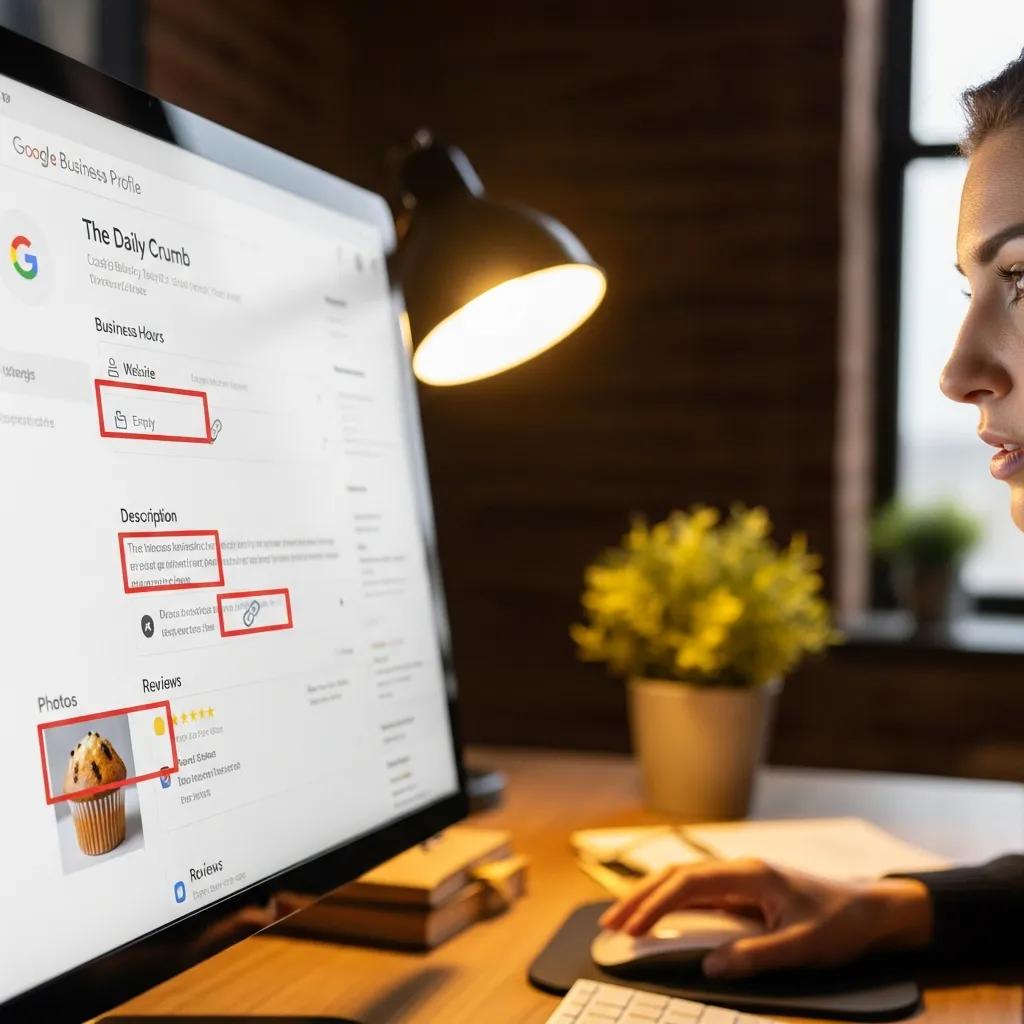
Your Google Business Profile (formerly Google My Business) is often the first place local customers find you — but many profiles are unfinished or incorrect. Typical issues are missing details, wrong opening times, poor photos or no engagement with reviews. Those gaps reduce visibility in local search and translate directly into fewer calls and visits.
Evidence shows an active, accurate Google Business Profile helps businesses appear in local searches and connect with potential customers.
Google Business Profile for Local Search Visibility
This study looks at how an up‑to‑date Google Business Profile — accurate location, contact details, hours, website link, reviews and images — affects customer decisions and a business’s visibility on Google Maps and local search results.
A STUDY ON THE IMPACT OF GOOGLE BUSINESS PROFILE ON BUSINESS SUCCESS, B Sharma, 2025
How incorrect or incomplete GBP info hurts your local rankings
When your profile shows the wrong address, hours or contact details, customers can’t find you — and search engines notice the inconsistency. Errors undermine trust and make it harder to rank in local searches. Accurate, complete information is a simple but powerful signal that helps both users and Google.
How to optimise your Google Business Profile
Make these updates to get the most from your profile:
- Fill every section: Add services, correct hours, clear photos and complete descriptions so customers have what they need at a glance.
- Keep it current: Update opening times for holidays, add offers and refresh images regularly.
- Engage with customers: Reply to reviews and questions quickly — engagement boosts trust and visibility.
Following these steps makes your profile more useful for customers and more likely to appear in local results.
Why NAP consistency matters for local SEO
NAP — Name, Address, Phone number — is the foundation of local search credibility. Search engines compare these details across sites to verify your business; mismatched listings create confusion for both users and algorithms.
How inconsistent NAP details hurt search engine trust
If your business appears with different addresses or phone numbers on directories, search engines may downgrade your reliability. That directly affects local rankings because consistency is a key trust signal.
How to keep NAP consistent across platforms
Use these practical checks to stay consistent:
- Regular audits: Review listings on major directories and niche sites to catch mistakes.
- Use citation tools: Platforms that manage citations reduce manual errors and speed fixes.
- Monitor mentions: Track where your business appears and correct discrepancies quickly.
Consistent listings help search engines trust your business — and that improves local visibility.
Local keyword research: avoid common mistakes
Good local keyword research tells you the phrases real customers use when searching in your area. Targeting the right terms — naturally — brings qualified traffic without triggering penalties or poor user experience.
Risks of wrong or keyword-stuffed local content
Overusing keywords or ranking for irrelevant terms makes copy feel unnatural and can lead to lower rankings or penalties. It also frustrates visitors and reduces conversions. Focus on relevance and clarity instead of sheer keyword volume.
How to find geo‑specific and long‑tail local keywords
Try these techniques to uncover useful local phrases:
- Use local search tools: Google Keyword Planner and similar tools reveal search volume and regional intent.
- Review competitors: See which local keywords competitors rank for and identify gaps.
- Ask your customers: The language customers actually use is often the best source of long‑tail terms.
These methods help you build content that answers real local queries and drives quality traffic.
Mobile & technical SEO mistakes to avoid

More searches now happen on mobile devices, so technical and mobile optimisation are essential. Problems like slow pages, poor navigation or broken schema hurt both rankings and conversions.
How poor mobile optimisation affects rankings and UX
Sites that aren’t mobile-friendly create a poor user experience: visitors leave fast, bounce rates rise and search engines downgrade the site. Prioritise responsive design, fast load times and clear calls to action for mobile users.
Why add schema markup for better local SERP presence
Structured data (schema) helps search engines understand business details and can produce rich snippets in search results. That increases click-through rates and improves chances of being used for voice-search answers.
Reviews & reputation: how they affect local SEO
Online reviews are a major trust signal for customers and search engines. A strong review profile boosts credibility and improves local search performance; mishandled reviews do the opposite.
Common review mistakes that damage trust
Ignoring negative feedback, never responding to reviews, or failing to encourage happy customers to share their experience can all harm your reputation and lower conversions.
How to increase review volume, quality and engagement
Try these hands-on strategies:
- Ask for feedback: Request reviews after a positive interaction and make leaving feedback easy with direct links.
- Respond consistently: Thank customers for positive reviews and address issues on negative ones professionally.
- Use reviews in marketing: Feature strong feedback on your website and socials to build trust with new customers.
Doing these things regularly will strengthen your online reputation and help local SEO.
Adapting to AI, voice search and zero‑click trends in 2026
Search behaviour is changing — AI, voice assistants and results that answer queries without a click are all part of the landscape. Local businesses that prepare will stay visible as these trends grow.
How AI and voice search change local search behaviour
Voice and AI-driven searches favour natural, conversational queries and concise answers. People often use voice search when they need immediate, local information — so your content needs to match that intent.
Optimise for conversational queries and zero‑click results
To adapt, focus on these actions:
- Write short, direct answers: Provide clear responses to common questions so they can be used as quick answers.
- Use structured data: Schema helps search engines surface the right information for voice and zero‑click results.
- Target local intent: Craft content that addresses specific neighbourhood or city queries, not just broad terms.
Research also finds that map pack visibility and voice‑search readiness not only drive visits but help build customer trust.
Local SEO Strategies: Map Pack, Voice Search & Trust
Local SEO isn’t only about ranking for broad terms — it’s about getting found by people who need your service right now. Studies show many users search locally every week and a significant portion click on Google’s map pack when looking for services. Appearing in that pack puts you in front of customers at the moment they’re ready to act. For service areas like dentistry, local visibility also helps build ongoing trust and social engagement.
| Strategy | Mistake | Solution |
|---|---|---|
| Google Business Profile | Incomplete profile | Fill out every section and keep details up to date |
| NAP Consistency | Inconsistent information | Run regular audits and use citation tools |
| Keyword Research | Overstuffed keywords | Prioritise natural language and user intent |
| Mobile SEO | Poor optimisation | Adopt mobile‑first design and speed improvements |
| Online Reviews | Ignoring feedback | Respond to reviews and encourage satisfied customers |
Avoiding these common local SEO mistakes makes a measurable difference to your online presence. If you’d rather not handle it yourself, MW Digital Yorkshire provides local SEO services built for SMEs — we’ll help you boost visibility and turn searches into leads.
Frequently Asked Questions
What role does social media play in local SEO?
Social media supports local SEO by increasing visibility and engagement. Active profiles drive traffic, help you share local content and encourage reviews and interactions that signal relevance to search engines. Use platforms like Facebook and Instagram to connect with your local audience and promote in‑area posts or events.
How can I measure the effectiveness of my local SEO efforts?
Track local performance with a few key metrics: organic traffic from local searches, ranking positions for targeted local keywords, Google Business Profile insights (calls, direction requests), and conversions from local landing pages. Tools like Google Analytics and Search Console, plus regular reporting, make progress measurable.
What is the importance of local backlinks for SEO?
Local backlinks show search engines you’re relevant in your area. Links from local news sites, community organisations or local bloggers boost authority and bring referral traffic. Build relationships within your community to earn meaningful, locally relevant links.
How often should I update my Google Business Profile?
Review and refresh your Google Business Profile at least once a month, and immediately after any change to hours, services or contact details. Regular posts, new photos and timely responses to reviews keep your profile active and more attractive to both customers and search engines.
What are the benefits of using local schema markup?
Local schema gives search engines structured business information — name, address, phone, hours and services — which increases the likelihood of rich snippets and helps with voice search answers. It’s a straightforward technical step that improves visibility and click‑through rates.
How can I encourage more customer reviews?
Make it easy: ask customers in person, send a follow‑up email with direct links to review platforms, and include review prompts on receipts or invoices. If you use incentives, follow platform rules and local regulations. Showcasing positive reviews also encourages others to leave feedback.
Final Checklist: Local SEO Fixes to Boost SME Visibility
Fixing common local SEO errors — keeping NAP consistent, optimising your Google Business Profile, improving mobile experience, managing reviews and targeting local intent — will boost your visibility and bring more customers through the door. If you want tailored support, our local SEO services are designed for SMEs and focused on measurable results. Explore what we offer and let us help you get found.