Local SEO Investment: Measurable Six-Month Results & ROI
Local SEO is how nearby customers find and choose your business. This guide explains what a sensible six‑month local SEO programme looks like, the measurable outcomes you can expect and the actions that drive them. If you’ve been asking “how long until we see results?”, we walk you through realistic timelines, the KPIs to watch, real client wins and a simple way to calculate ROI so you can plan with confidence. We’ll also cover the main factors that affect performance.
How long does local SEO take to deliver measurable results?
Local SEO isn’t instant — it needs consistent work and time to build momentum. Most businesses begin to see clear improvements between three and six months, though the exact pace depends on a few important variables.
What are the key milestones in the six‑month local SEO journey?
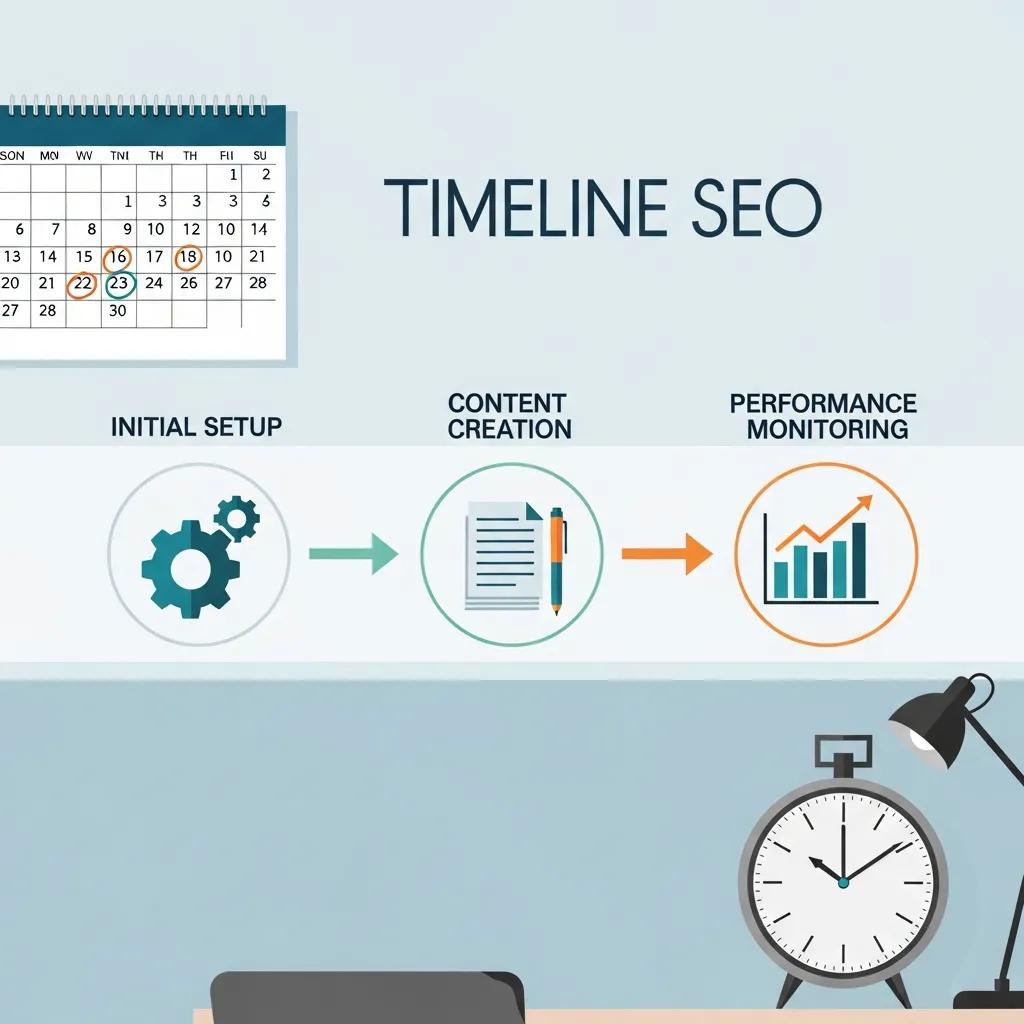
Over six months a structured approach typically follows a clear set of milestones:
- Initial setup and optimisation: Month one is about getting your website and Google Business Profile correct and search‑ready — accurate NAP, clear services and technical basics in place.
- Content creation and link building: Months two to four focus on publishing locally relevant content and earning quality backlinks to build authority.
- Monitoring and adjustments: Months five and six are for reviewing performance, testing what works and refining your tactics based on data.
Following these steps keeps your campaign focused and helps you measure progress at each stage.
Why does local SEO require time to show significant outcomes?
Several factors influence how quickly you’ll see results:
- Search engine indexing: New pages and changes take time to be crawled and reflected in search results.
- Local competition: In crowded markets it takes more work to outrank established businesses.
- Building authority and trust: Earning backlinks and positive reviews is a gradual process that strengthens your local presence.
Knowing these influences helps set realistic expectations for your investment.
What measurable benefits can you expect from a local SEO investment?
Done well, local SEO delivers measurable gains that support growth and visibility.
Which key performance indicators track local SEO success?
Track these KPIs to judge progress:
- Traffic from local searches: The number of visitors arriving via local search queries shows whether your visibility is improving.
- Conversion rates: Measure how many visitors take the next step — phone calls, bookings or form submissions.
- Google Business Profile insights: Use GBP data for clicks, calls, direction requests and profile views to understand local engagement.
These metrics give a clear picture of whether your SEO work is turning into real customer activity.
How does local SEO improve Google 3‑Pack and local pack visibility?
Local SEO is aimed at increasing your chances of appearing in the Google 3‑Pack — the top three local listings that get most attention:
- What the Google 3‑Pack is: The three highlighted businesses shown for local queries, usually including ratings and key actions.
- Why it matters: Being in the 3‑Pack lifts visibility, click‑throughs and often leads to more calls and footfall.
- How to improve your chances: Optimise your Google Business Profile, collect genuine positive reviews and keep NAP details consistent across listings.
Focusing on these areas boosts your visibility where local customers are most likely to click.
How to calculate and understand your local SEO return on investment?
Measuring ROI shows whether your local SEO spend is delivering value and where to invest next.
What is a simple ROI formula for local SEO investment?
Use this straightforward calculation to estimate ROI:
Apply actual revenue figures from tracked local leads and compare them to your SEO costs to see the financial return.
How does increased local traffic translate into business growth?
More local traffic drives growth through several channels:
- Traffic to sales correlation: More local visitors generally mean more enquiries and sales when your site converts well.
- Impact on footfall: Improved local visibility can bring more customers into your premises, boosting in‑store revenue.
- Long‑term growth: Sustained visibility attracts new customers over time and compounds as your reputation strengthens.
Understanding these links helps you forecast realistic business outcomes from your SEO work.
Which factors influence the speed and quality of local SEO results?
Several elements affect how fast and how well SEO works for your business.
How do industry type and local market affect SEO timelines?
Your sector and local conditions shape the timeline:
- Competition varies by industry: Some sectors are harder to rank in because local rivals invest heavily in search.
- Fast vs slow examples: Local trades or small service businesses often see quicker wins than highly competitive fields like legal or estate agency.
- Tailored strategies: Adapting your approach to your market — niche keywords, local partnerships or specific content — speeds progress.
Matching tactics to market dynamics improves both speed and quality of results.
What role do Google Business Profile optimisation and backlinks play?
Both GBP optimisation and backlinks are core to local SEO success:
- GBP optimisation: A complete, accurate and regularly updated profile attracts more searches and interactions.
- Backlinks: Relevant links from local sites and directories build authority and help rankings.
- Best practices: Keep your GBP current, collect reviews, and pursue local, reputable backlink opportunities.
These activities work together to strengthen your local search presence.
What are real‑world examples of successful local SEO investments?
Case studies show what’s possible when a consistent local SEO plan is applied.
How did clients achieve a 500% increase in local leads?
One client saw a large uplift after a focused local SEO programme. Key actions included:
- Enhanced Google Business Profile: Clear descriptions, updated photos and accurate categories improved visibility.
- Content marketing: Regular, locally relevant blog posts and service pages attracted targeted search traffic.
- Local link building: Partnerships and mentions from local websites boosted authority and rankings.
These coordinated efforts translated into a substantial increase in local enquiries.
What lessons can be learned from local SEO case studies?
Common takeaways from successful local campaigns include:
- Consistency pays off: Ongoing optimisation and content work keep momentum and rankings moving in the right direction.
- Prioritise customer engagement: Reviews, replies and social engagement build trust and conversion over time.
- Be data‑driven and adaptable: Regularly review performance and tweak tactics based on what the data shows.
Applying these lessons helps create repeatable success for local businesses.
How can you get started and maximise your local SEO investment?
Getting started the right way means focusing on the fundamentals and measuring outcomes as you go.
What does MW Digital Yorkshire’s local SEO package include?
MW Digital Yorkshire offers a targeted local SEO package built to lift local visibility. The core components are:
- Website optimisation: Technical and on‑page work to make your site search‑friendly for local queries.
- Google Business Profile management: Regular updates, review management and profile improvements.
- Content creation: Localised, useful content that attracts and converts nearby customers.
The package is tailored to local businesses and focused on measurable outcomes.
How to monitor and adjust your local SEO strategy over six months?
Regular tracking and flexible decision‑making are essential for ongoing improvement. Try these steps:
- Tools for monitoring: Use Google Analytics and Google Search Console to track traffic, keywords and conversions.
- Stay flexible: Be ready to shift focus based on what the data tells you and how the market changes.
- Adjust based on results: Review KPIs regularly and refine your content, GBP and link‑building tactics where needed.
Following a disciplined review cycle helps you get the most from your investment.
| Strategy | Attribute | Value |
|---|---|---|
| Local SEO | Visibility | Higher local search rankings |
| Google Business Profile | Engagement | More customer interactions |
| Content Marketing | Traffic | Increased organic visitors |
Local SEO is a practical investment for businesses that want to be found by nearby customers. By understanding the timeline, measuring the right outcomes and sticking to a structured plan, you can drive steady, sustainable growth.
Frequently Asked Questions
What are the common mistakes to avoid in local SEO?
Common pitfalls include: an incomplete or poorly optimised Google Business Profile; inconsistent NAP (Name, Address, Phone number) across listings; ignoring local keywords in your content; and not managing customer reviews. These issues reduce visibility and confuse both search engines and customers, so address them early.
How can I improve my Google Business Profile?
Make sure all details are accurate and up to date — name, address, phone, opening hours and services. Add high‑quality photos, post regular updates and encourage happy customers to leave reviews. Use the Q&A and posts to answer common questions and promote offers. Small, regular updates keep your profile relevant.
What role do online reviews play in local SEO?
Reviews influence both rankings and customer trust. A steady flow of genuine, positive reviews signals quality to search engines and reassures potential customers. Responding to reviews — positive and negative — shows you’re engaged and helps manage your reputation. Prioritise getting and responding to reviews as part of your local SEO work.
How often should I update my local SEO strategy?
Your strategy should be reviewed at least every three to six months, or sooner if performance shifts. Track your KPIs, watch for algorithm changes and stay aware of local market moves. Regular reviews let you double down on what’s working and change what isn’t.
Can social media impact local SEO?
Yes. Active social profiles increase local visibility, drive traffic and can attract backlinks. Sharing local content that links back to your site reinforces relevance and can help with rankings. While social signals aren’t a direct ranking factor, they support discovery and engagement which feed into local performance.
What tools can help me track my local SEO performance?
Essential tools include Google Analytics for traffic and conversions, and Google Search Console for indexing and keyword insights. Moz and SEMrush offer useful local tracking features, while BrightLocal and Yext simplify Google Business Profile management and review monitoring across platforms.
Conclusion
Local SEO is a practical, measurable way to grow your local customer base. Understand the timeline, track the right KPIs and commit to ongoing optimisation to maximise results. If you want help getting started or accelerating progress, our tailored local SEO services are designed to deliver clear, local outcomes.